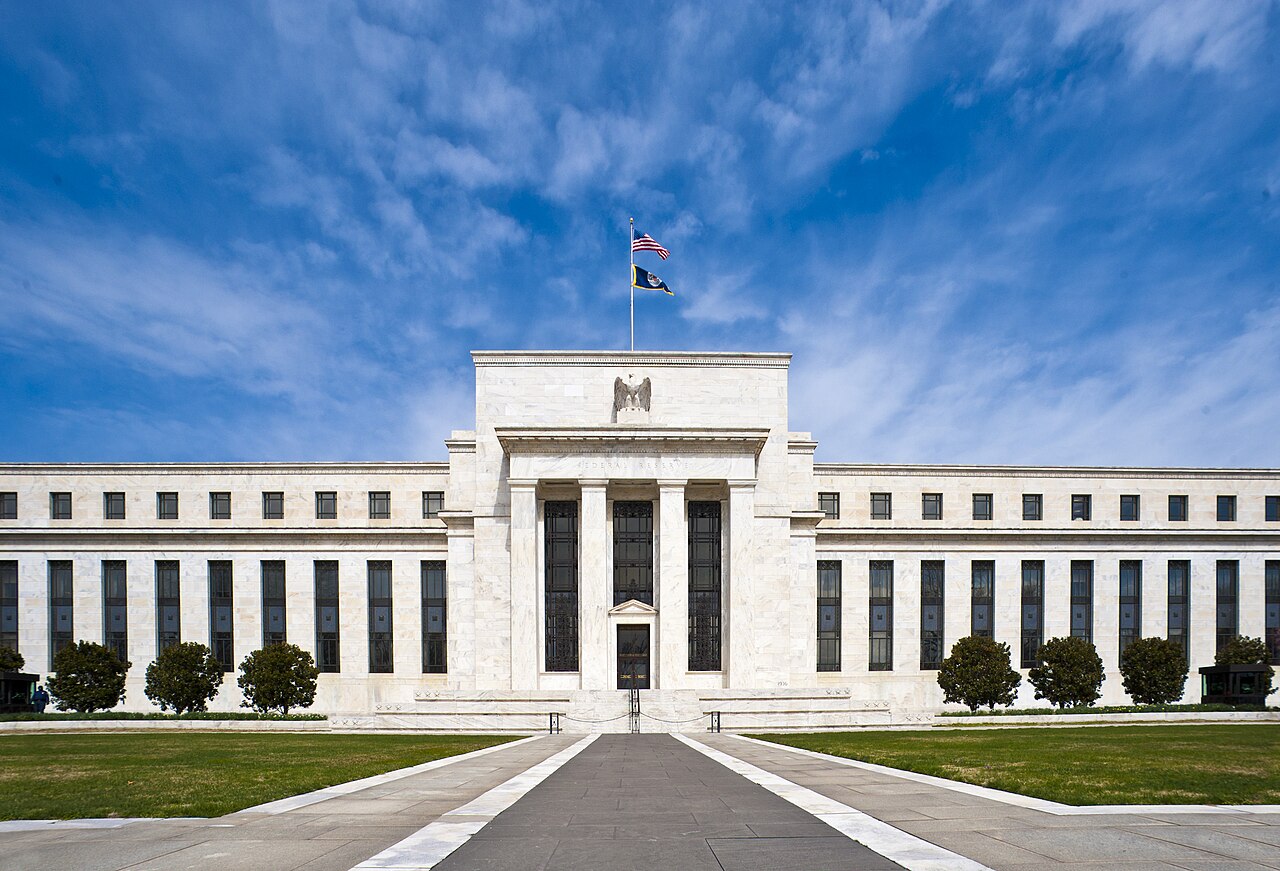
Interest rates can sound like a subject for trading desks. In practice, they are one of the links between the financial system and daily life. A change in the cost of borrowing can influence the decisions of households and businesses, even when those decisions happen far from a central bank.
Follow the transmission
Central banks use monetary policy to influence financial conditions. The Federal Reserve describes interest-rate policy as one way of affecting inflation and employment. The effects work through the economy rather than arriving everywhere at once. A financing decision made today can shape spending and production later.
That is why a policy announcement and an immediate change in household finances are different things. Contracts, borrowing needs and the choices of lenders all matter. The useful question is how a change reaches a particular household or business, rather than assuming everyone experiences it in the same way.
Read beyond the headline
When following a central-bank decision, separate the decision itself from the explanation and from forecasts about what comes next. The announcement is a fact; an expectation about the next meeting remains an expectation.
For our economy coverage, this distinction is central: what changed, what evidence was cited, and which consequences are still uncertain? It is a more useful starting point than treating every announcement as a universal signal to buy or sell.
Source: Federal Reserve — Money, Interest Rates, and Monetary Policy.
This is an educational explainer, not a report of a new rate decision or personalised financial advice.